
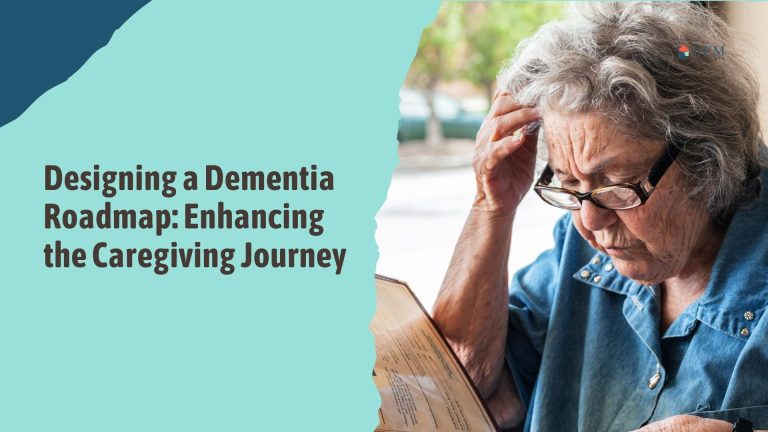
Designing a Dementia Roadmap: Enhancing the Care giving Journey
Caring for a loved one with dementia presents a complex web of challenges for family caregivers, from managing unpredictable behaviors to coordinating medical care and emotional support for older adults. As the needs of the person with dementia (PWD) evolve, family members often find themselves overwhelmed, struggling to navigate an uncertain journey without a clear path forward. This is where designing a dementia roadmap becomes a vital planning tool—an intentional framework that offers guidance and structure to enhance the caregiving experience.
By emphasizing early, guided decision-making in collaboration with the PWD, a dementia roadmap empowers families to take a proactive approach, ensuring that care aligns with the individual’s values and needs. At its core, this article explores how proactive planning and robust support can transform dementia care, fostering better coordination and providing a lifeline for those navigating this profound journey.
Table of Contents
Understanding the Dementia Journey
Navigating the complexities of dementia requires awareness and insight into its progression, symptoms, and impact on people living with the condition. For family caregivers and patients alike, understanding this journey is the first step toward effective intervention and support.
Research highlights the need for resources to guide families through dementia diagnosis and care, distinguishing it from related conditions like Alzheimer’s disease, while preparing them for the changes ahead. This section explores the essentials of dementia, empowering caregivers with knowledge to develop proactive strategies and access vital health resources.
A. Key Differences: Dementia vs. Alzheimer’s
Dementia is a broad term encompassing a range of conditions marked by cognitive decline severe enough to interfere with daily life. It’s not a single disease but a syndrome caused by various underlying issues, such as brain injury, stroke, or neurodegenerative disorders. Alzheimer’s disease, however, is a specific, progressive brain disorder and the most prevalent cause of dementia. Unlike other types—like vascular dementia, linked to blood vessel damage, or Lewy body dementia, tied to protein deposits—Alzheimer’s is characterized by the buildup of amyloid plaques and tau tangles in the brain. Understanding these distinctions is crucial for accurate dementia diagnosis and tailoring care, as treatment and progression differ across conditions.
B. Recognizing Early Signs
Dementia Early Signs: Early indicators of dementia depend on its cause but often include subtle forgetfulness—like misplacing items frequently—disorientation in familiar settings, or trouble finding words during conversations. These signs may be dismissed as normal aging, yet their persistence signals the need for a timely dementia diagnosis. Awareness of these red flags allows families to strive for early intervention, which research shows can enhance access to health resources and support.
Alzheimer Early Signs: In Alzheimer’s disease, early symptoms are more memory-centric. Individuals might repeat questions, forget recent events while retaining older memories, or struggle to plan simple activities, like following a recipe. Unlike some dementias where physical symptoms (e.g., gait changes in vascular dementia) may appear early, Alzheimer’s begins with cognitive slips that gradually worsen. Recognizing these specific signs enables targeted action, improving outcomes for many years ahead.
C. Dementia Stages
Dementia Stages: Dementia progresses in three broad stages, though specifics vary by type. In the early stage, mild memory lapses or difficulty concentrating emerge, often manageable with minimal support. The middle stage brings increased confusion, behavioral changes (e.g., agitation or withdrawal), and greater reliance on caregivers for daily tasks. By the late stage, severe dependency sets in—communication falters, and physical health declines, requiring full-time care. Recognizing these shifts helps caregivers anticipate changes and develop adaptive plans.
Alzheimer’s Stages: Alzheimer’s follows a similar three-stage arc but with distinct hallmarks. The early stage features mild memory loss—like forgetting names or appointments—yet individuals often maintain independence. In the middle stage, confusion deepens (e.g., losing track of dates or seasons), memory gaps widen, and tasks like dressing require assistance. The late stage brings profound decline: patients may lose the ability to speak coherently, recognize loved ones, or move independently, reflecting Alzheimer’s relentless neurodegeneration. Mapping these stages informs tailored care strategies for patients and families.
Creating Your Dementia Roadmap
Designing a dementia roadmap offers practical information to guide families through the challenges of dementia care following a dementia diagnosis. This proactive tool empowers caregivers to develop a structured plan that enhances the well-being of the person with dementia (PWD) and their family.
By leveraging resources, education, and community support, the roadmap helps inform decisions—spanning health, legal, and financial needs—while fostering a program for efficient, compassionate care. This section outlines key steps to build a roadmap that adapts to life’s evolving demands.
A. Early Planning with the PWD
Proactive planning with the PWD is essential to create a road map tailored to their needs. Early involvement ensures their voice shapes the process, offering benefits like reduced stress and a stronger sense of control for the family, preserving their well-being.
B. Guided Decision-Making for Dementia Care
Including the PWD in guided decision-making respects their autonomy while building a collaborative plan. This process involves open discussions—supported by education and resources—to inform choices about care, legal matters, and lifestyle, ensuring their preferences guide the journey.
C. The Financial Snapshot
A clear financial overview is critical, addressing costs like medical care and support services. Developing a “financial playbook” enhances efficiency, helping families allocate resources wisely and plan for long-term dementia care needs.
D. Setting Expectations, Adapting
Setting realistic expectations prepares families for dementia’s unpredictability. Emphasizing adaptability—adjusting the road map as the PWD’s condition evolves—ensures the plan remains practical, supporting their life and the family’s resilience within their community.
Support and Practical Steps
The dementia road map isn’t just a plan—it’s a lifeline for caregivers and individuals facing dementia. This section offers actionable guidance to navigate health systems, support the caregiver journey, and maintain quality of life amidst aging and change over many years.
A. Care System Road Map
Finding care resources starts with quick steps: connect with local health agencies, explore dementia-specific programs, and expect conversations with professionals. Key support areas include medical care, home assistance, and development opportunities to keep individuals engaged and supported.
B. Caregiver Support
Caregiver stress is real on this journey, often spanning many years. Strive for self-care by seeking respite, joining support groups, and staying connected with others who understand. Learning to balance personal health with care giving is vital for resilience. (North Star Keywords: caregiver journey)
C. Living Well, Briefly
To maintain quality of life, focus on simple actions: encourage light activity, foster meaningful conversations, and create opportunities for joy. Helping individuals with dementia stay connected and engaged supports their well-being, aligning with the road map’s goal of living well despite the diagnosis.
Conclusion
The dementia roadmap provides family caregivers with a practical framework to tackle the complexities of dementia care head-on. It prioritizes early planning and collaborative decisions with the person with dementia, keeping their wishes at the heart of a supportive, dignified path. Covering essentials—from understanding dementia versus Alzheimer’s to managing finances and caregiver health—it serves as a steady guide across all stages. Families can find strength in this approach: by acting early and staying flexible, they create a care giving journey that balances challenges with compassion, ensuring that meaningful connection endures no matter what lies ahead.