
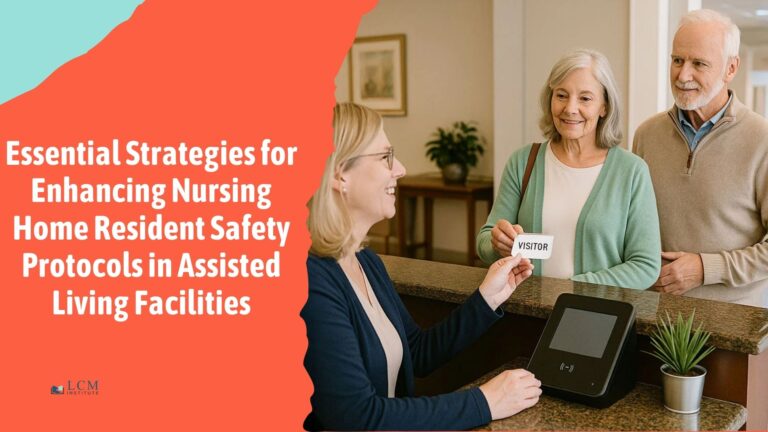
Essential Strategies for Enhancing Nursing Home Resident Safety Protocols in Assisted Living Facilities
Did your loved one enter a nursing home or long-term care facility?
One of the most pressing concerns in this matter is resident safety. Families want reassurance that the environment will meet basic needs and protect against harm. Residents themselves want to feel secure, respected, and supported in daily life. Safety is not just about preventing accidents. It is about creating a living space where well-being is actively safeguarded.
In today’s care landscape, safety practices and quality play a central role in building trust. Family caregivers, older adults, and discharge planners all share a common goal. That is to ensure that care facilities are more than a place to stay.
There should be a place where residents can live with peace of mind. To do that, families must be able to identify which facilities foster genuine safety. They have to differentiate which ones may only appear safe at first glance. This comprehensive guide will help you do that.
Your loved one deserves a safe, dignified place to live. Understanding what goes into creating that environment is the first step in making informed choices.
Table of Contents
What Is Resident Safety?
Resident safety refers to the systems protecting individuals while in a long-term care setting. It covers everything from fall prevention to infection control and abuse prevention. The U.S. Department of Health and Human Services, along with state regulators, provides frameworks and oversight to ensure that nursing home facilities meet these standards.
According to the National Academies of Sciences, Engineering, and Medicine, “The Nursing Home Reform Act of 1987, passed as part of the Omnibus Budget Reconciliation Act of 1987 (OBRA 87), established quality-of-life rights for nursing home residents, including freedom from abuse, mistreatment, and neglect and the ability to voice grievances without fear of discrimination or reprisal.”
Safety is about more than risk management and avoidance. It is about fostering a setting where residents can feel confident that their well-being is protected every day. Families should also consider their own perceptions of how care is delivered. Impressions of staff responsiveness can reveal a lot about a facility’s culture.
The Role of Safety Culture for Nursing Home Residents
True safety goes deeper than job excellence and compliance. It is about the individual and group values and attitudes shared by staff and leadership. This safety climate encourages open communication. It ensures swift reporting of concerns and teamwork in problem-solving.
Leadership plays a vital role here. Responsible managers modeling transparency and compassion make a difference. Front-line personnel are empowered to act in the best interest of residents without hesitation. This type of environment develops trust. It also shows family members that their loved one’s care is being guided by both professionalism and heart.
Trust your loved one’s care to a nursing home that prioritizes safety, compassion, and respect.
Risk Management Strategies
Resident safety often comes down to preventing risks before they turn into incidents. There are many forms of risk. However, falls, infections, and neglect are the most common concerns. That being said, they can still be addressed with thoughtful planning and proactive measures.
Preventing Falls
Falls are one of the leading causes of injury in nursing homes. Many residents face mobility challenges, increasing their risk of falls. The environment itself can present hazards to them. Facilities should have a fall prevention plan in place. This includes regular risk assessments, proper maintenance, and the use of supportive equipment.
Families can look for key features when evaluating a facility:
-
Non-slip flooring in common areas and bathrooms
-
Grab bars installed where needed
-
Adequate lighting throughout hallways and rooms
-
Clear pathways free of clutter
-
Regular staff training on fall response
Simple modifications, like grab bars and proper lighting, make a significant difference. Residents and families should also ask about how often fall risks are reviewed and updated.
Take control of health and safety by learning the key steps that prevent falls in care settings.
Avoiding Medication Errors
Medication management is another critical area. Errors in dosage or timing can have serious consequences. Most especially for residents with multiple prescriptions. A safe facility ensures that all medications are properly labeled, stored, and tracked.
Best practices include:
-
Regular medication reviews by a pharmacist or physician
-
Employee training in proper administration and knowledge of medication
-
Systems for double-checking orders
Families can ask to see how a facility handles medication reconciliation when a new resident is admitted. Peace of mind comes from knowing your loved one’s medications are managed with precision and care.
Addressing Other Safety Concerns: Infection, Abuse, and Neglect
Beyond falls and medications, safety must also cover broader risks. Infections spread quickly in communal settings, making hygiene protocols essential. Facilities should have clear infection control measures, such as:
-
Hand hygiene stations
-
Regular cleaning schedules
-
Vaccination programs
Sadly, neglect and abuse from other residents or nursing home staff are also risks. These can be physical, emotional, and even sexual abuse. It is associated with a complicated mix of personal and organizational factors. Families should watch for signs such as sudden mood changes or unexplained minor and serious injuries. Take note of withdrawal or poor hygiene as well.
Specialized care programs for residents with Alzheimer’s disease are especially important. After all, these individuals may be more vulnerable.
Family-Centered Approach to Safety
Families play a vital role in ensuring resident safety. Their involvement adds another layer of accountability and support.
Evaluating a Facility’s Safety Practices
When touring or selecting a facility, families can ask specific questions:
-
What are the staffing levels during day and night shifts?
-
How often are fall risks assessed?
-
What protocols are in place for reporting abuse or neglect?
-
How are infections monitored and prevented?
-
How does leadership communicate with families when safety issues arise?
Transparency and responsiveness are signs of a facility that takes safety seriously.
We’re here to help families navigate the complexities of nursing home care. Peace of mind matters, and it begins with knowing the right questions to ask.
Dealing with Facility-Based Care Inadequacies
Even with safeguards, concerns can arise. Families should feel empowered to address them directly. Steps include:
-
Reviewing the care and work environment, service agreement, and care plan for clear expectations.
-
Requesting a meeting with leadership to discuss concerns openly.
-
Keeping communication consistent and respectful.
-
Engaging an advocate or Ombudsman for additional support when necessary.
-
Encouraging residents to keep a journal or take notes about daily life.
Professional oversight can also make a difference. A life care manager provides regular monitoring. They ensure that concerns are documented and addressed. If issues remain unresolved, it is acceptable to explore other options.
The Role of Technology in Improving Resident Safety
Technology is becoming a powerful tool in the effort to protect residents.
Emerging Technologies for Safety Management
Innovations such as fall detection systems and medication management software are already in use. Some facilities are beginning to integrate artificial intelligence as well. Other technologies include smart sensors to provide personalized safety monitoring. These tools alert staff to potential risks before they escalate.
According to Skilled Care Pharmacy, “Today, technology is stepping in as a powerful ally. They offer solutions that enhance accuracy and streamline workflows. Technology can create a safer environment for everyone.”
Best Practices for Implementing Technology in Nursing Homes
Families should ask how facilities are using technology to support residents. Are digital health records in use to ensure seamless communication between providers? Does the facility offer telemedicine visits to reduce unnecessary hospital trips?
Technology should complement, not replace, human care. When applied thoughtfully, it can strengthen the safety net around residents. Meanwhile, it supports staff in their daily responsibilities.
Quality Assurance and Continuous Improvement
Safety is not a one-time effort. It requires constant evaluation and improvement.
Healthcare Research and Quality Improvement
Think of organizations like the Agency for Healthcare Research and Quality (AHRQ) and The Joint Commission. They provide valuable guidelines for nursing homes. Programs that focus on preventive measures are examples of how research translates into safer care.
Ongoing staff training is key. Education ensures that safety practices stay current and effective. Facilities that invest in professional development signal a true commitment to protecting residents.
A commitment to continuous improvement ensures that resident safety is always a priority.
According to Senior Health Care Management, “The ambiance of a nursing home plays a crucial role in the overall well-being of its residents. A positive and supportive environment not only enhances the quality of life for residents. They also contribute to their mental and emotional health.”
Accreditation and Compliance for Long-Term Care Facilities
Government agencies set standards that facilities must follow. This includes the Centers for Medicare & Medicaid Services (CMS), and the likes. Regular inspections and audits hold nursing homes accountable for maintaining safe environments.
For families, knowing a facility is accredited and compliant provides confidence. Compliance shows that a facility has met rigorous safety benchmarks and is being held to them consistently.
The Future of Patient Safety
Safety in care facilities is evolving. Families can expect to see new practices and innovations shaping the future.
Trends and Innovations
Personalized safety programs tailored to nursing home residents’ needs are gaining attention. Virtual reality training is being used to prepare caregivers for real-world challenges. Advances in dementia care are helping residents maintain both safety and quality of life. Artificial intelligence and machine learning also hold promise. Most especially in predicting risks and preventing harm before it occurs.
Preparing for the Future: What Families Should Know about Long-Term Care
Staying informed is one of the best tools families have. This means following updates from trusted organizations and attending community education sessions. You may also try asking facilities about new practices and technologies they are implementing.
By staying engaged, families can ensure their loved one benefits from the latest developments in resident safety.
A Commitment to Dignity and Resident Safety
Resident safety is the foundation of quality care. It is built on strong leadership, an organizational culture of trust, and family involvement. Doing so ensures continuous improvement. Falls, medication errors, infections, and psychological and physical abuse can all be reduced. But facilities must prioritize proactive planning and open communication. Technology and research are strengthening these efforts, creating new opportunities for safer environments.
Most of all, safety is about dignity. Every resident deserves to live in a place where they feel secure, respected, and valued. Families and professionals alike can support this vision. Stay informed, ask the right questions, and advocate for the highest standards of care.
Are you seeking expert guidance? Contact us for a personalized consultation on finding the right care for your loved one.
Explore our professional development courses and other resources. Discover how we can help you lead a safer, more effective team. Get in touch today.
Frequently Asked Questions
What measures are in place to ensure the safety of home care recipients?
Home care recipients benefit from individualized care plans. These are typically created by health care providers based on medical conditions and daily living needs. Certified nursing assistants and other healthcare professionals follow defined job duties to support resident safety during personal care. Safety devices and medical equipment reduce patient falls and other health hazards in the home setting. Regular staff training supports proper knowledge and improves the overall quality of care.
How to ensure safety in a care home?
Safety in a care home begins with strong leadership. Then it follows consistent staff training for nursing assistants and health care workers. Facilities address common safety hazards. These can be poor lighting and unsecured electrical cords to protect resident care. Fire safety planning includes emergency preparedness, smoke detectors, and fire extinguishers. Oversight from the federal government helps maintain care quality and prevent nursing home abuse.
What are the safety measures that should be practiced at home?
A safe home environment includes steps to reduce potential hazards and support independence. It’s beneficial to install smoke detectors and use safety equipment in high-risk areas. Furniture should be arranged to allow easy movement and social interaction. Frequent handwashing and clean surfaces reduce health hazards for many families.
How do you ensure the safety of the person you are caring for?
Safety starts with understanding the person’s medical condition and daily needs. Caregivers provide services aligned with nursing care standards and hospice care when appropriate. Monitoring helps prevent elder abuse, including verbal abuse and financial abuse. Clear communication with healthcare providers strengthens trust and resident safety.
What measures should be taken to ensure safety and proper management?
Proper management requires comprehensive care supported by clear care practices and defined core elements. Physical therapy guided by physical therapists supports mobility and reduces risk. Policies should address workplace violence, sexual harassment, and occupational hazards for staff members. Strong systems protect the quality of care while supporting safety for residents and caregivers alike.